Overview
In this project, we examine why small-scale producers’ (SSP) adoption of climate-adaptive technologies has declined even as more farmers report exposure to climate shocks. Drawing on fieldwork across Nigeria’s agro-ecological zones, we explore how SSPs perceive and respond to climate and market risk, how those perceptions diverge from measured exposure, and how production and adaptation decisions get made under persistent uncertainty.
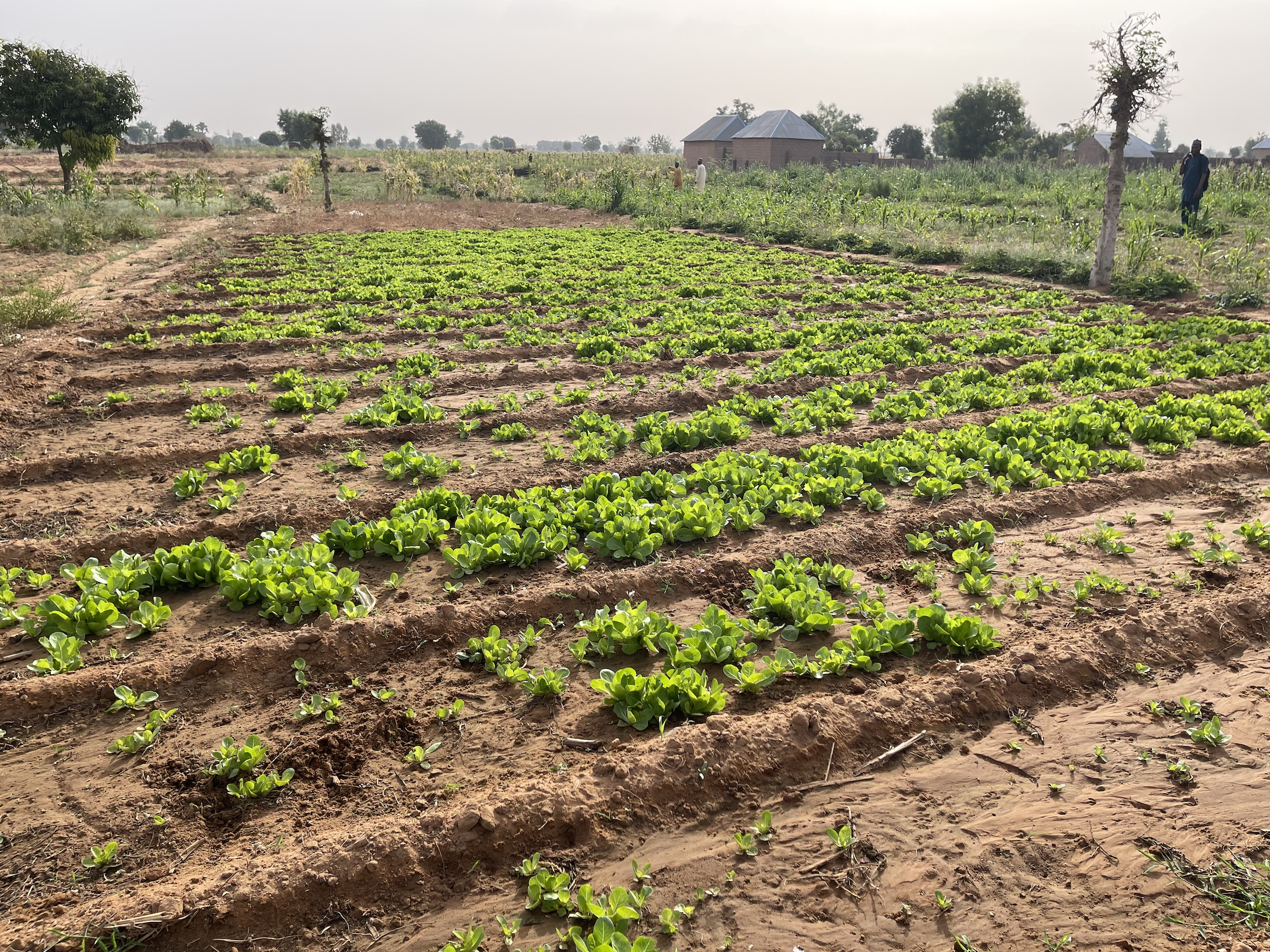
Project status
India will follow the same structure as Nigeria — findings, outputs, and estimates will appear on this page as each stage is completed.
Key findings
Only 20% of respondents reported knowing about hybrid seeds, but among the aware, 72% reported using hybrid seeds in the last agricultural season.
Among farmers aware of hybrid seeds, 96% expect them to increase profits, yet 28% don’t use them, citing cost as a top barrier to uptake.
52% of farmers who received weather information didn’t act on it.
Actionable Insights
- Increasing awareness (through trusted channels, local languages, and precise terminology) is the priority before anything else, as farmers cannot adopt what they don’t know exists.
- Be upfront about the costs of adoption and provide clarity around total costs (e.g. annual seed purchases, fertilizer and labor, etc.). Most SSPs agree there are benefits, and while techniques such as small packaging, return policies, and other mechanisms can shift risk from buyers to sellers, our results suggest that expected costs, more than benefits, are primary considerations.
- Messaging on climate adaptation options in terms of maximizing current net returns may be more salient than long-run adaptation. Especially for female-headed households, time horizons are short, and messages that emphasize near-term productivity outcomes rather than longer-run adaptation benefits may be more effective.
- There is easier traction of weather information focused on an immediate decision (e.g., when to plant/harvest with a monsoon onset date) and a seasonal one (e.g., what to plant given a three-month precipitation forecast), while long-run forecasts carry information-to-action pathways that are more uncertain and often more complex.
Outputs
Outputs will be published here as they become available.
A policy brief, full report, and estimates for Nigeria will appear here once analysis is complete.
Technical resources
Partners & fieldwork
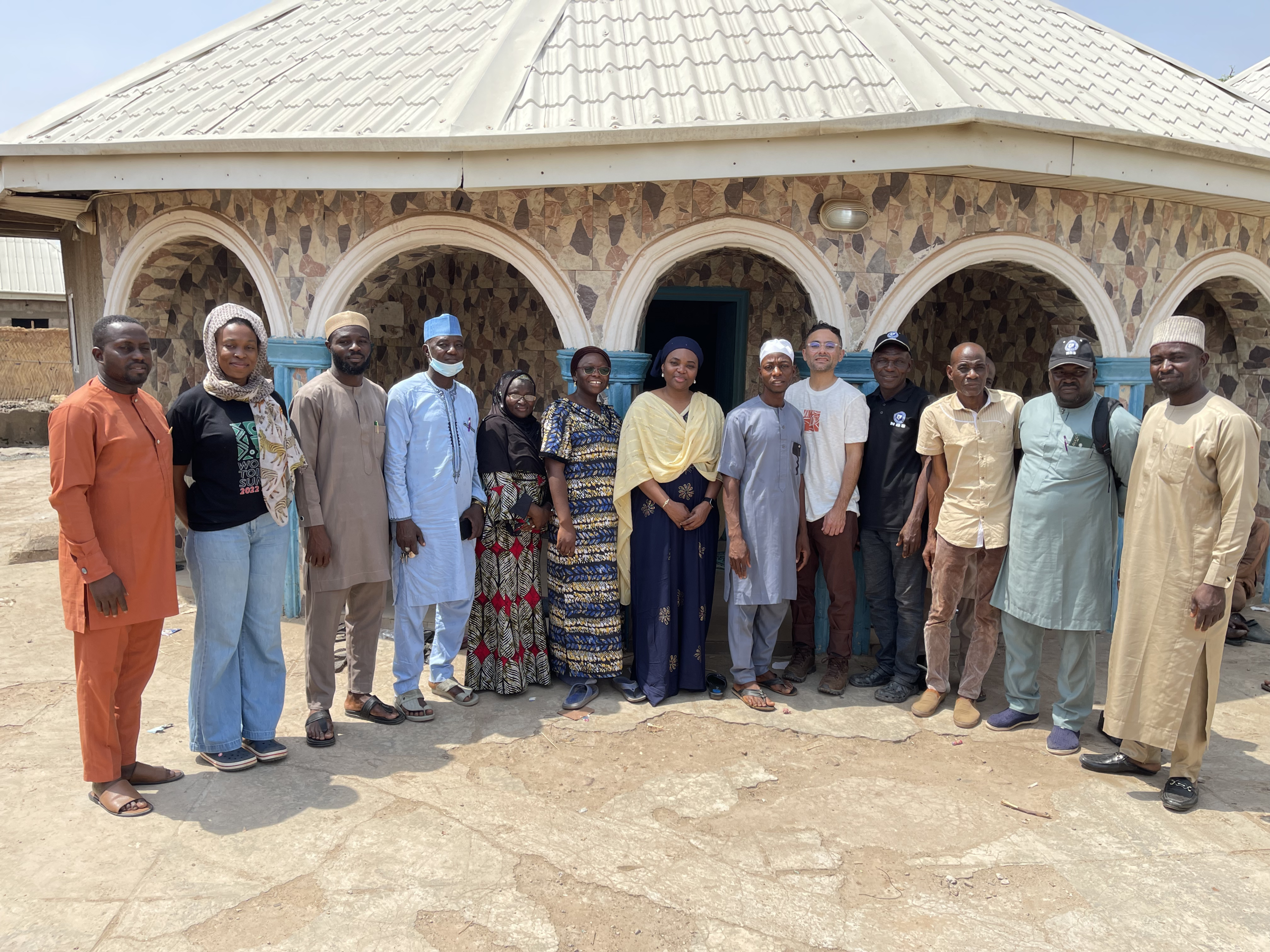
Acknowledgments
We would like to acknowledge our local partners, the Nigeria National Bureau of Statistics (NBS) and Dev-Afrique Development Associates , for their field and operational support and local and technical expertise improving the study design, facilitating data collection, and interpreting the findings.